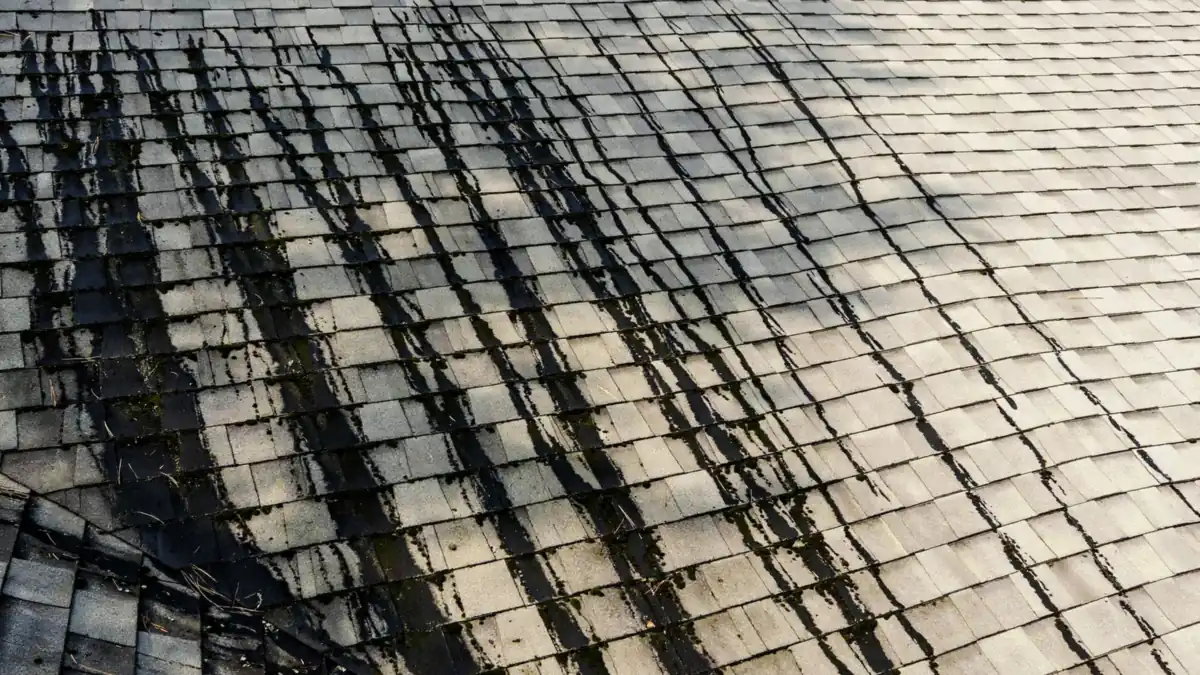
Dark streaks on your roof are more than just an eyesore; they can be an early warning sign of underlying issues that may compromise the integrity of your home. Many homeowners notice these unsightly marks but are unsure of their cause or significance. Understanding what these streaks indicate is crucial for maintaining your roof’s longevity and protecting your investment. By learning to recognize and address the root causes of dark streaks, you can prevent more serious problems, avoid costly repairs, and ensure your roof continues to provide reliable protection for your home and family.
Thank you for reading this post, don't forget to subscribe!What to Expect from This Guide
The Common Causes of Dark Streaks
Dark streaks on roofs are a widespread issue, particularly in regions with humid climates or frequent rainfall. The most common culprit behind these streaks is a type of algae known as Gloeocapsa magma. This airborne algae thrives in moist environments and feeds on the limestone filler found in many asphalt shingles. As the algae accumulate, they create dark, streaky stains that can spread across large sections of the roof. While algae are the primary cause, other factors such as mold, mildew, and even soot from nearby chimneys can contribute to the discoloration. Overhanging trees can exacerbate the problem by providing shade and trapping moisture, creating an ideal environment for algae and mold growth. These streaks are not just a cosmetic concern; they can signal that your roof is retaining moisture, which may lead to further deterioration if left unaddressed. Understanding the source of these streaks is the first step in determining the appropriate course of action to protect your roof.
How Dark Streaks Affect Roof Longevity
The presence of dark streaks on your roof is more than just a visual nuisance; it can have a direct impact on the lifespan and performance of your roofing materials. Algae and mold growth can retain moisture against the surface of your shingles, accelerating the breakdown of the protective granules that shield your roof from the sun’s ultraviolet rays. Over time, this can lead to premature aging of the shingles, making them brittle and more susceptible to cracking or curling. In addition, the constant presence of moisture can create an environment where moss and lichen can take hold, further compromising the integrity of the roofing system. For homeowners seeking reliable solutions for their homes, Roofing Wilmington NC services can provide professional assessments and treatments to address these issues before they escalate. Addressing dark streaks promptly not only improves your home’s curb appeal but also helps maintain the structural integrity of your roof, potentially saving you from more extensive repairs down the line.
When to Worry About Dark Streaks
While dark streaks are often caused by algae and may not immediately threaten your roof’s structural integrity, there are situations where they can signal more serious problems. If you notice that the streaks are accompanied by moss or lichen growth, this could indicate that moisture is being trapped for extended periods, which can lead to wood rot or deterioration of the underlying roofing materials. Additionally, if the streaks appear to be spreading rapidly or are concentrated in areas where water tends to pool, such as valleys or near gutters, it may be a sign of poor drainage or ventilation issues. These conditions can accelerate the aging process of your roof and increase the risk of leaks. Homeowners should also be concerned if the streaks are accompanied by shingle granule loss, curling, or cracking, as these are signs that the shingles are nearing the end of their useful life. Regular inspections and prompt attention to these warning signs can help prevent minor issues from developing into major problems that require costly repairs or even a full roof replacement.
Cleaning and Maintenance Tips
Proper cleaning and maintenance are essential for managing dark streaks and preserving the health of your roof. While it may be tempting to use high-pressure washing to remove the stains, this method can actually damage the shingles by stripping away the protective granules. Instead, gentle cleaning solutions specifically designed for roofs, such as a mixture of water and mild bleach, can effectively remove algae without harming the roofing material. It’s important to apply these solutions carefully and rinse thoroughly to prevent any residue from lingering. Regular maintenance, such as trimming overhanging branches and ensuring gutters are clear of debris, can help reduce the conditions that promote algae and mold growth. Installing zinc or copper strips near the roof ridge can also inhibit the development of dark streaks, as rainwater will carry trace amounts of these metals down the roof, creating an environment that is hostile to algae. By incorporating these practices into your home maintenance routine, you can extend the life of your roof and keep it looking its best.
Professional Assessment: When to Call for Help
Sometimes, dark streaks may be a symptom of more complex roofing issues that require a professional evaluation. If you have attempted cleaning and the streaks persist, or if you notice additional signs of damage such as leaks, sagging, or significant shingle deterioration, it’s time to consult a roofing contractor. A professional can conduct a thorough inspection to determine whether the streaks are purely cosmetic or indicative of underlying problems such as poor ventilation, inadequate drainage, or compromised roofing materials. They can also recommend appropriate treatments or repairs to address the root cause and prevent recurrence. Relying on a qualified contractor ensures that any interventions are performed safely and effectively, minimizing the risk of accidental damage to your roof. Regular professional assessments can also help you stay ahead of potential issues, allowing you to address minor concerns before they escalate into major repairs.
The Impact of Climate and Location
Your local climate and environment play a significant role in the development of dark streaks on your roof. Homes located in areas with high humidity, frequent rainfall, or dense tree cover are more susceptible to algae and mold growth. Coastal regions, in particular, often experience persistent moisture and salt exposure, which can accelerate the deterioration of roofing materials. Urban environments may also contribute to streaking due to increased air pollution and soot accumulation. Understanding how your location affects your roof’s condition can help you take proactive measures to mitigate the risk of dark streaks. For example, homeowners in humid climates may need to clean their roofs more frequently or invest in algae-resistant shingles. By tailoring your maintenance approach to your specific environment, you can better protect your roof and extend its lifespan.
Quick Facts About Roof Streaks
Dark streaks are most commonly caused by airborne algae, which thrive in humid and shaded environments. These streaks typically appear on the north-facing slopes of roofs, where sunlight is limited and moisture lingers longer. While they may not immediately compromise the structural integrity of your roof, ignoring them can lead to more significant issues over time. Regular cleaning and preventive measures can help keep your roof free from unsightly stains and maintain your home’s curb appeal.
Conclusion
Dark streaks on your roof should never be ignored, as they can provide valuable insight into the overall health and condition of your roofing system. While often caused by algae, these streaks can also signal moisture retention, poor ventilation, or other underlying issues that may compromise your roof’s longevity. By understanding the causes and implications of dark streaks, homeowners can take proactive steps to address them through regular cleaning, maintenance, and professional assessments when necessary. Protecting your roof from the effects of algae and moisture not only enhances your home’s appearance but also safeguards your investment for years to come. Regular attention and timely intervention are key to ensuring your roof remains strong, functional, and visually appealing.